The Allure of Risk and Reward
The psychology of casino players is deeply intertwined with the concepts of risk and reward. The thrill of potential winnings can create an exhilarating experience that lures individuals into gaming environments. This excitement is not purely financial; it taps into emotional and psychological aspects, often creating an adrenaline rush that can be highly addictive. Players are driven by the hope of winning, which can overshadow their rational understanding of the odds against them. Many people often seek out the best online casinos australia to maximize their chances of experiencing this thrill.
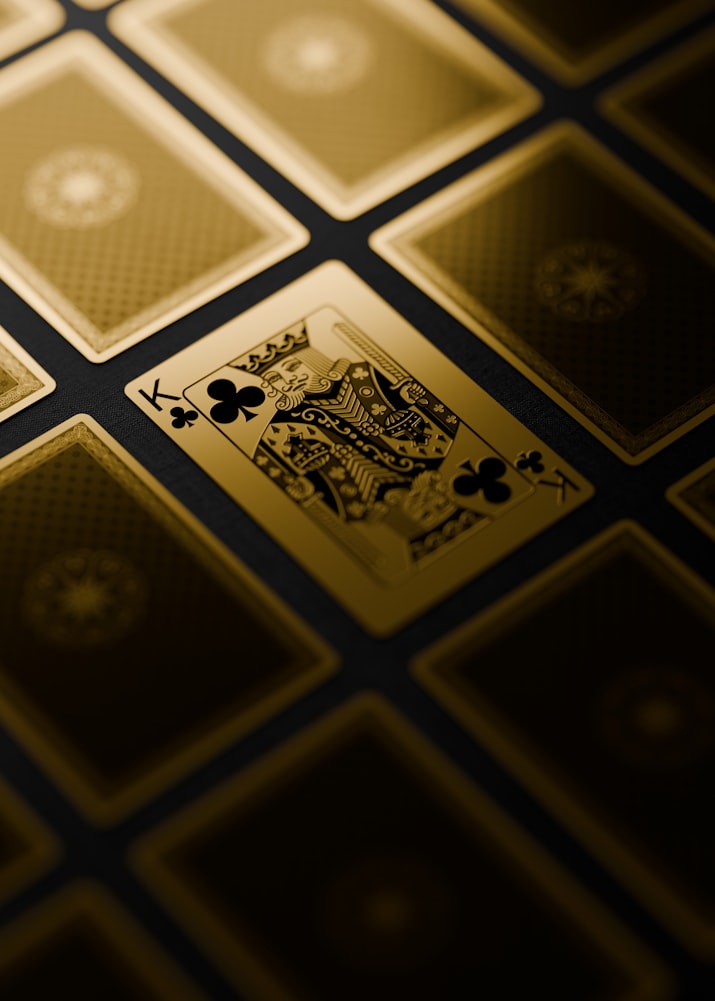
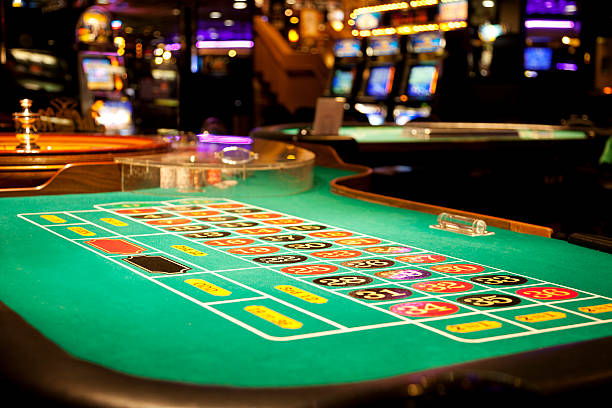
Casinos capitalize on this psychology by designing their environments to enhance feelings of excitement and anticipation. Bright lights, engaging sounds, and the presence of fellow players amplify the thrill, creating a unique social atmosphere. The anticipation of a win can be intoxicating, leading players to make decisions that may seem irrational, such as continuing to bet despite losses.
The Role of Cognitive Biases
Cognitive biases play a significant role in the decisions made by casino players. One common bias is the illusion of control, where players believe they can influence outcomes through skill or strategy, even in games of chance. This misconception can lead to overconfidence, causing individuals to take risks they might otherwise avoid.
Another prevalent cognitive bias is the gambler’s fallacy, where players mistakenly believe that past outcomes will affect future results. For example, if a roulette wheel has landed on red several times in a row, a player might irrationally think that black is “due” to come up. Such biases can have a profound impact on decision-making processes within casinos, often leading to greater losses.
Emotions and Decision-Making
Emotions significantly influence the behavior of casino players. Feelings of excitement, anxiety, and even boredom can drive decisions on whether to gamble and how much to wager. When players are in a heightened emotional state, they may ignore their strategies and succumb to impulsive behaviors, often leading to regrettable choices.
The connection between mood and gambling is also well-documented. For instance, individuals who are experiencing stress or sadness may turn to casinos seeking escapism, which can lead them to gamble more than they intended. Conversely, those in a positive emotional state may be more inclined to take risks, believing that luck is on their side.
The Impact of Environment on Choices
The physical environment of a casino plays a crucial role in shaping player decisions. Factors such as layout, lighting, and sound are meticulously designed to create an atmosphere that encourages prolonged engagement. For example, the placement of popular games near high-traffic areas can attract more players, while the absence of clocks promotes a sense of timelessness.
Moreover, the use of free drinks and rewards programs can influence player behavior, often leading them to gamble longer than they originally intended. The environment is crafted to remove any distractions that might prompt players to evaluate their choices critically, thereby fostering an immersive experience that prioritizes entertainment over rational decision-making.
About Our Platform
Our website is dedicated to providing insightful resources about the fascinating world of casinos and gambling psychology. We aim to offer a deeper understanding of what drives player behavior, illuminating the complex interplay between emotions, environment, and cognitive processes. By exploring these elements, we hope to empower players with knowledge that can enhance their gaming experiences.
We encourage our visitors to explore various sections of our site for accessible content reflecting our mission to educate and inform. If you encounter any restrictions, please reach out through our contact options for assistance or inquiries. Your journey in understanding the psychology behind casino players starts here.